After fewer than three years in business, leaders of an innovative enterprise addressing one of aging services’ biggest pain points—workforce recruitment—have a good problem to solve. Their organization, Global Care Recruiters (GCR), currently has more than 60 registered nurses (RNs) in the pipeline to come to the U.S. from Kenya. “If all showed up today,” says Traci Larson, president and CEO of Elk River, MN-based Guardian Angels, one of the four LeadingAge members (pictured, at right, and identified, below) who launched GCR in August, 2024, “each of [our founding member sites combined] are not big enough to have positions for them.” But she and her three GCR partners know a lot of organizations that do have open jobs. “It’s a wonderful thing,” Larson says, of GCR’s potential to be able to address that need.
Larson, along with Dustin Lee of Prairie Senior Cottages and Mt. Olivet’s Roger White, got the idea for GCR after a January 2024 visit to Kenya as part of a delegation led by LeadingAge Minnesota and Rep. Mohamud Noor, a Minneapolis-area member of the state’s House. The group traveled to Nairobi to attend the opening of a National Council Licensure Examination (NCLEX) training center; a milestone event for aspiring Kenyan nurses, who, prior to the center’s existence, would have had to travel over 2,000 miles to Johannesburg, South Africa, or possibly England or India, at their own expense to complete their mandatory testing before beginning their international nursing careers. As Larson, Lee and White learned more about Kenya’s nurse population, the idea for a potential opportunity began to crystallize. Then back in the U.S., after a LeadingAge MN-hosted delegation-focused event, another member, Jim Bettendorf of Vista Prairie Communities, approached the three, eager to learn more. The four clicked.
“It seemed like a great win-win for us,” Larson remembers thinking. Weekly meetings followed. Larson recalls, each was “two or three hours, just trying to hammer it out. Could we do this? What would it look like? What resources would it take? What would we need?” The discussion process “really just helped us get to know each other, get connected, get grounded in what we believe is the right thing to do,” she adds. “We didn’t want it to be just a quick fix and just for ourselves.”
Minnesota’s long-term care sector continues to face a significant workforce shortage. According to the 2026 Long-Term Care Imperative Workforce Survey, approximately 11,750 key positions were vacant statewide in January 2026, including approximately 8,300 positions in assisted living and 3,450 in nursing facilities. More than 7,700 of these vacancies were direct-care aide positions, while approximately 1,350 were registered nurse positions. The number of Minnesotans requiring nursing home care is expected to increase by more than 20% between 2025 and 2035—approximately 4,656 additional people needing care, according to the Minnesota Department of Employment and Economic Development (DEED).
GCR focuses on recruiting RNs, trained and NCLEX-licensed in Kenya, legally authorized via EB-3 visas, and bringing them to Minnesota, where they are employed in senior care. On the latter, Larson, a registered nurse who has built a career in aging services starting as a laundry attendant and culinary aide, then serving as a certified nurse aide, nurse and long-term care administrator before assuming the chief executive mantle, is adamant. “We are specifically for long-term care providers, not for hospitals or other health care organizations.” Senior care, she explains, is a “different mindset than a quick surgery that gets you better and back out there in two weeks. That’s not how it works for our senior population with all the comorbidities. So the whole level of how you care for an individual and the health care spectrum is different. Senior care needs that time and attention.”
The emphasis on senior care is a differentiator among immigration recruitment businesses, says Larson. Another is GCR’s commitment to assuring host countries have the ability to meet their current health care needs, which is an important element of ethical sourcing. Kenya, she explains, has a large number of licensed nurses sitting on the sidelines due to a lack of jobs. There’s a willingness to come to the United States because of the opportunity for employment, as well as the ability to send money back to families. And as a country, Kenya is eager to support global health care needs: remittances from its diaspora—much of it from health care workers abroad—account for about three percent of the country’s gross domestic product (GDP).
GCR signed contracts with 17 nurses in the first year, and 41 the second year, to date. In addition, over 100 candidates are advancing through legal review and employer interviews at a deliberate pace to ensure thoughtful placement, employer readiness and long-term success. The positive trajectory, Larson says, demonstrates a sustainable recruitment pipeline; it continues to strengthen organically, driven by word-of-mouth referrals, GCR’s growing reputation through in-country engagement, and deepening relationships with the Kenyan diaspora. All told, the efforts are building trust, confidence and long-term credibility within Kenya’s nursing community.
“It’s really kind of exploded,” said Larson of GCR’s rapid expansion. And more change is in the works. Today, GCR’s operations are largely virtual: applications and administrative work are conducted online. A U.S.-based immigration attorney conducts initial screenings, and staff travel to Kenya several times each year to interview candidates and also share details with them about life in the U.S. With the implementation of a partnership with LeadingAge MN Solutions, announced in July, “we’ll have a full team hired here in the U.S. that will be managing all of the day-to-day.” That includes not only recruiting nurses, but helping them to stay here. The addition of LeadingAge MN Solutions, she says, will address that issue. “They have great connections. They know the pulse of what’s happening [here], especially rural Minnesota—what the needs are, and the fact that we can’t place just one Kenyan nurse way out here in Marshall, MN. We should probably look at a few [nurses]. And then how do we connect them to the resources that they need in the community?”
For Larson and her partners, all of whom bring combined decades of experience in the aging services sector, GCR’s current success is less a surprise than an acknowledgement of a longstanding, yet unrecognized truth. “People always ask: why don’t you just hire more nurses? Work with nursing schools?” she said. The answer is simple: it doesn’t add up. “There are not enough people currently as licensed nurses or in nursing school that would graduate if even 100% passed and became nurses and we had them work with us. There still would not be enough nurses to give the care and services that are needed. Full stop.”
Bringing people from other countries who have an interest and a passion for senior care and health care is critical, she explains, but quickly adds that recruitment alone isn’t enough. Describing the U.S. immigration process as “so broken,” she argues that what’s needed is a good look at the entire process to better understand what’s working and what isn’t. “How can Australia get people there in six months? What are other countries doing to make sure that their borders are safe, that the people coming there are truly going to help? How can we do that, quickly and safely, and improve the fabric of the United States, not create problems? I don’t think we can use the current structure and keep ‘MacGyvering’ things. We need to take a step back and look at the whole process.”
In the meantime, though, it’s full steam ahead for GCR. “We’re initially starting with RNs because it’s already been proven that we can reach the finish line in that space,” Larson said. “But there’s a need for so many more types of individuals: nursing assistants, people who can work in culinary as servers, dieticians; in social services, and physical and occupational therapy. Her vision also includes the possibility of expanding outside the state of Minnesota. Simply put, there are lots of opportunities, with Kenya and beyond. “Kenya is a great start, but why just Kenya?,” Larson muses. “If we need nurses and we have the ability to share the expertise of geriatric nursing, why would we not open that up to several different other companies or countries and have the ability for them to come and learn and continue to expand their craft in the United States with us?”
Eager to embrace multiple approaches, she said: “We know there’s a continued shortage [of workers] and we have to use every aspect that we can to try and be successful in bringing people to the United States [to work] in health care. We don’t want to put all of our eggs in one basket.”
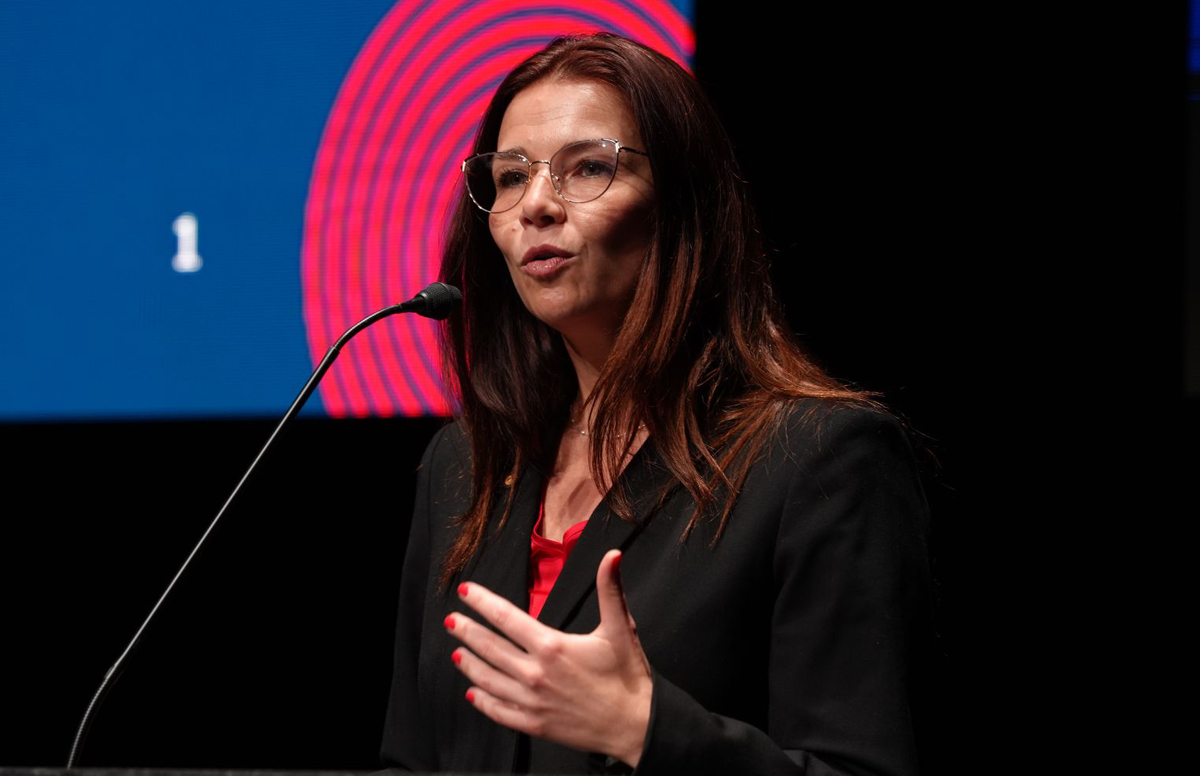
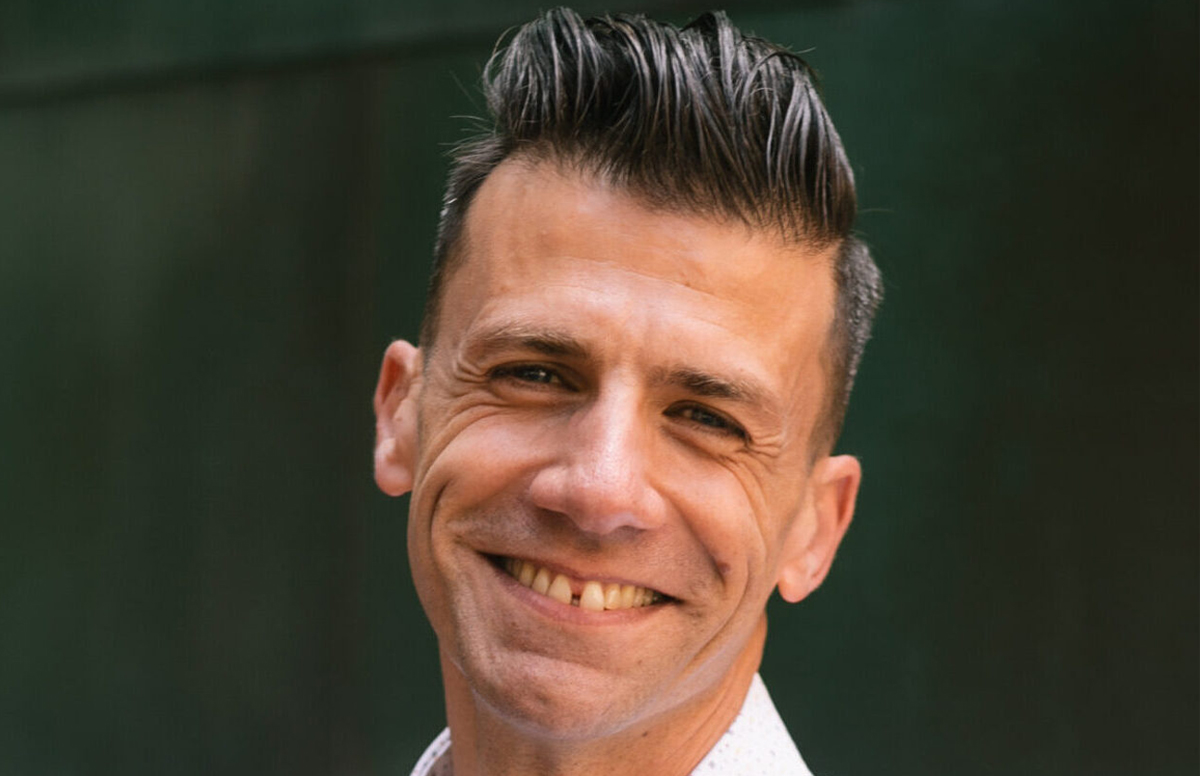
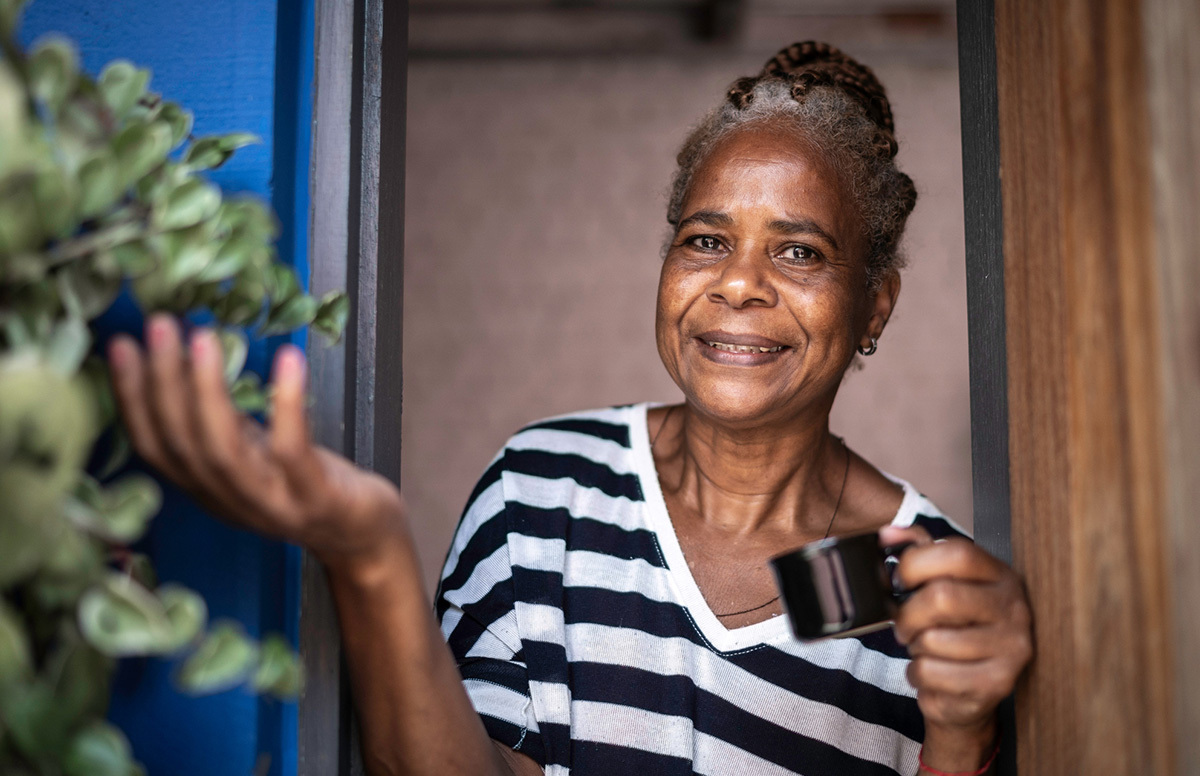
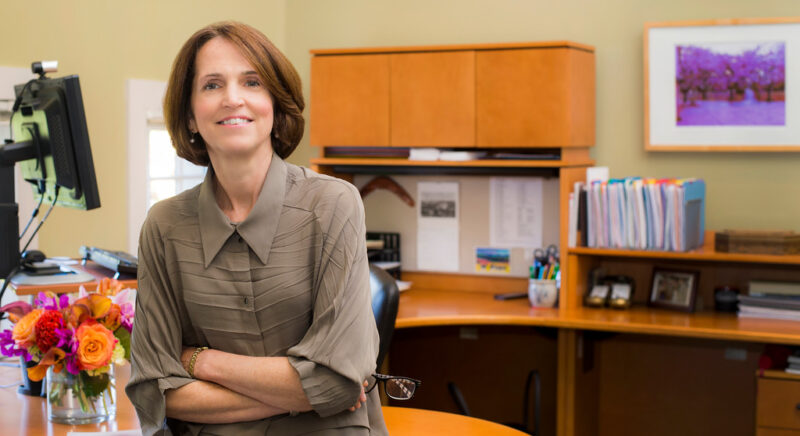
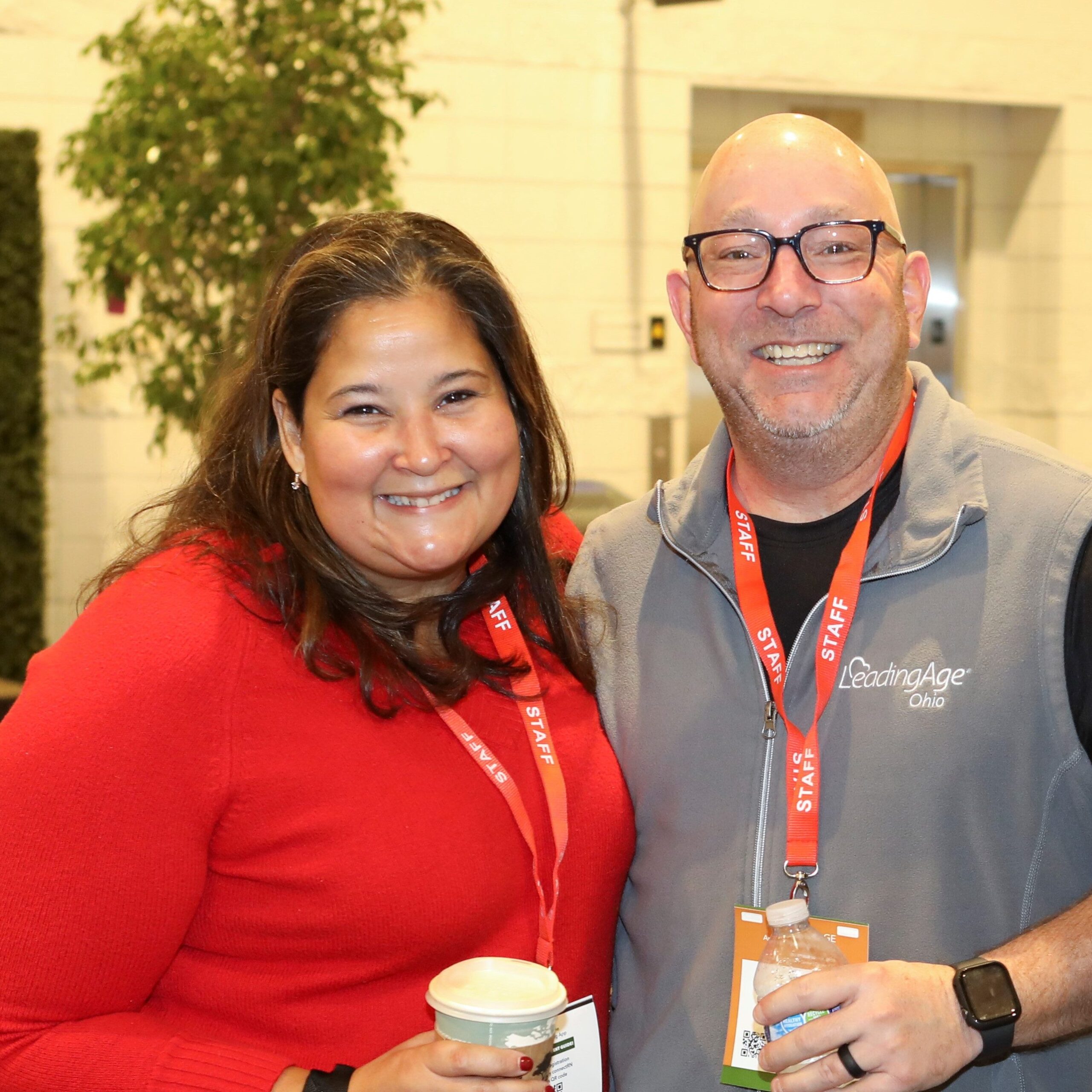
Photo: Global Care Recruiters founders, clockwise, starting top left: Traci Larson, Guardian Angels; Roger White, Mt. Olivet; Jim Bettendorf, Vista Prairie Communities; Dustin Lee, Prairie Senior Cottages