In Ontario, Canada, Building Belonging Helps Reduce Social Isolation for Adults with Dementia
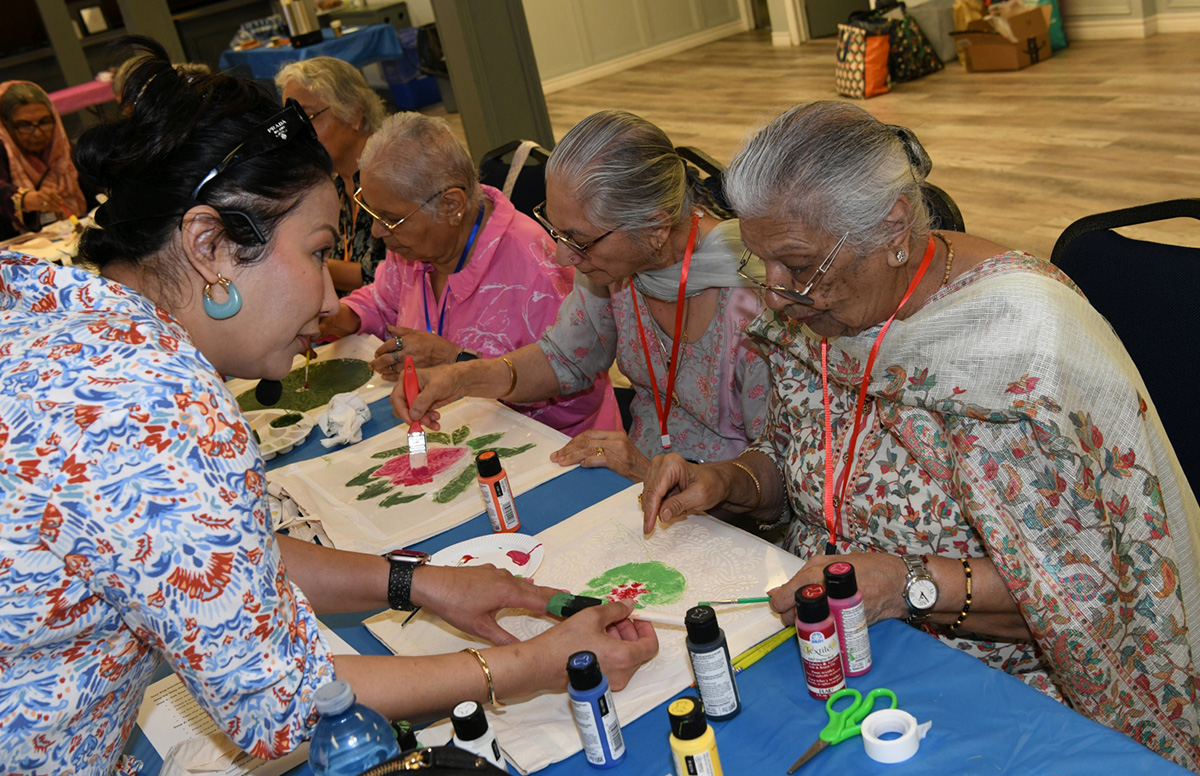
An initiative of the Schlegel-UW Research Institute for Aging (RIA) is working to remove barriers for older adults with dementia living in ethno-racial communities in Hamilton and Halton Region, Ontario, Canada. For these elders, language barriers, lack of culturally relevant supports, and limited engagement within existing systems can result in isolation and unmet needs.
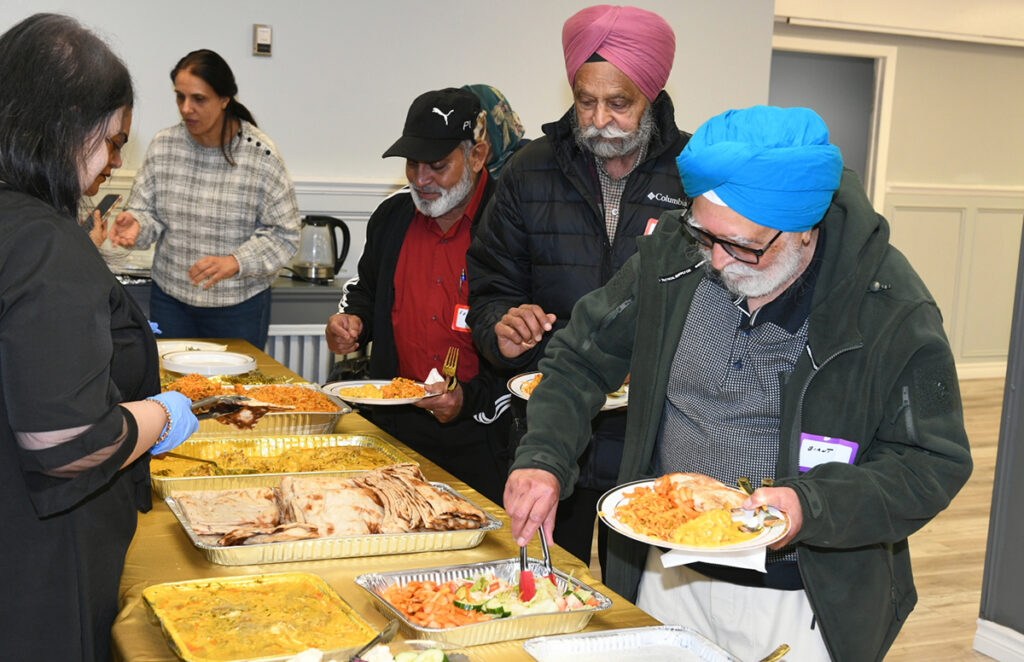 Building Belonging offers support to organizations serving this population by identifying and addressing barriers to accessing services, information and community resources.
The Global Ageing Network recently connected with Hilary Dunn-Ridgeway, Senior Director, Community Relations at the Schlegel-UW Research Institute for Aging (RIA) about Building Belonging and the RIA’s connection with the Global Ageing Network. “Joining the Global Ageing Network community lets us expand our network and build meaningful partnerships with members worldwide,” she said.
Where and how did the idea for Building Belonging originate? Were there indications that communities were facing inclusion challenges? If so, what were those signs?
Building Belonging originated from research and literature reviews conducted at the RIA that highlighted widespread systemic barriers and a critical shortage of culturally and linguistically relevant dementia programming. Having previously implemented the Supporting Inclusion through Intergenerational Partnerships (SIIP) project to reduce social isolation for people living with dementia and their care partners in Waterloo Region (Ontario, Canada), the RIA already had a proven, successful project structure to build upon. Drawing on these insights and the established SIIP framework, we developed Building Belonging to address these unmet needs across diverse ethno-racial communities. We chose Halton Region and Hamilton because of their rich diversity and active local community organizations, which provide an ideal foundation for this initiative.
How did the coalition of the five partnering organizations (YWCA Hamilton, Afro Canadian Caribbean Association, Human Endeavour, Hamilton Council on Aging and Redleaf Cultural Integration) come together?
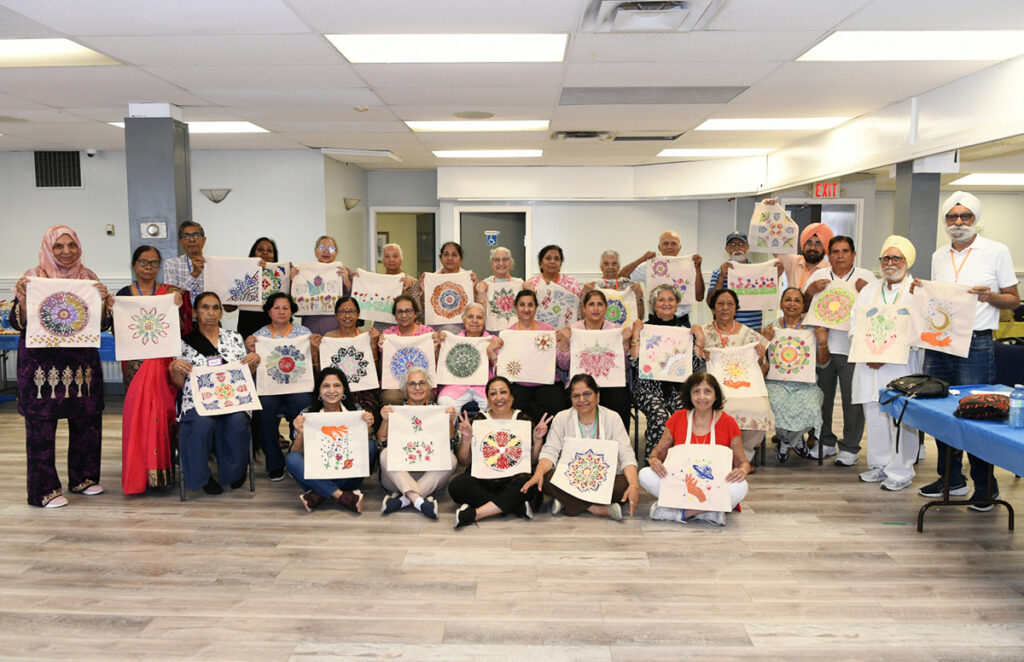 A core component of the Building Belonging project is funding local community initiatives that promote social inclusion for older adults (ages 55+) living with dementia in diverse ethno-racial communities. To do so, the RIA issued a call for proposals to community organizations within Hamilton and Halton Region. After a comprehensive review, the RIA selected five partner organizations. Together with the RIA, these organizations established a Collective Impact Plan that defines shared objectives, a unified vision, and common metrics to evaluate success. This strategic framework empowers each partner to implement hyper-local, community-specific solutions while leveraging the group’s collective strengths.
Did each organization create its own initiatives (e.g., cultural cafés at the YWCA) or did the partners discuss how to draw on each organization’s particular strengths in serving people with dementia and their care partners?
Recognizing that no one-size-fits-all approach supports diverse ethno-racial communities, each organization designed tailored initiatives to meet the unique needs and address the gaps in the people they serve. Our strategy centers on empowering these organizations to determine what works best for their communities. At the same time, the project leverages the collective strengths of all five partners. Through monthly meetings, joint capacity-building workshops (covering topics such as dementia education, cultural humility, and sustainability), and shared problem-solving, the organizations learn from one another, collaborate on challenges, and maximize their combined impact toward the overarching goal of reducing social isolation and enhancing well-being.
One of the components of Building Belonging is a volunteer program. What types of volunteering opportunities are available?
Building Belonging offers a diverse range of volunteer opportunities tailored to our partner organizations’ unique strengths and needs. Here are some examples:
- Redleaf Cultural Integration has established a volunteer committee, composed primarily of caregivers and older adults. Volunteers lead weekend social outings and activities like tai chi and knitting, and support Chinese-language dementia wellness programming called DELIGHT.
- YWCA Hamilton engages multilingual volunteers from local project communities to facilitate sessions and create a welcoming, culturally inclusive environment.
- Human Endeavour relies on volunteers to provide critical transportation support so older adults can regularly participate.
- Other roles include supporting group facilitation with the Hamilton Council on Aging and serving on advisory committees such as the Afro Canadian Caribbean Association Advisory Circle or Human Endeavour Advisory Group.
To equip volunteers with essential skills to support individuals living with dementia, the Building Belonging team collaborated with the Alzheimer Society’s Dementia Friendly Communities initiative to provide targeted education.
Volunteers also contribute to the overall Building Belonging project through advisory roles, providing strategic oversight and participating in specialized sub-committees, such as evaluating proposal submissions.
Building Belonging is a four-year initiative. Where is the program in the cycle at this point? Are there plans to continue the initiative, or to bring in additional partnering organizations?
Building Belonging is funded through 31 March 2029. Throughout this funding period, partner organizations will receive support to design and implement sustainability frameworks to ensure their programs continue providing vital support to individuals living with dementia and their care partners. While this initiative will not directly fund additional organizations, expanding community partnerships remains critical to long-term sustainability. We encourage partner organizations to collaborate with peer groups aligned with Building Belonging’s strategic goals.
How did the RIA get connected with the Global Ageing Network?
Our connection with the Global Ageing Network grew from a shared commitment to enhancing the quality of life and care for older adults through research, education, and practice. Over the years, we’ve had the privilege of hosting Global Ageing Network committee members at the RIA and participating in Network events.
What inspired the RIA to join the Global Ageing Network?
Collaboration is woven into the RIA’s DNA. Tackling the biggest issues facing an ageing population requires global coordination. Joining the Global Ageing Network community lets us expand our network and build meaningful partnerships with members worldwide. By working together, we can translate research into actionable solutions that help older adults live healthier, stronger, more independent lives.
What do you hope Global Ageing Network members collaborate on in the next few years?
The RIA focuses on connecting research to the real world. We see incredible potential to advance this work alongside other members. Over the next few years, we hope to collaborate on solutions for our shared priorities, including:
- Helping older adults live well by addressing ageing-related challenges, such as fall prevention, nutrition, and dementia
- Strengthening the workforce that supports older adults through training and education
- Changing the culture of ageing by promoting social inclusion and well-being for older adults
Recently Added
October 20, 2026
Looking at Long-Term Care Around the World

September 21, 2026