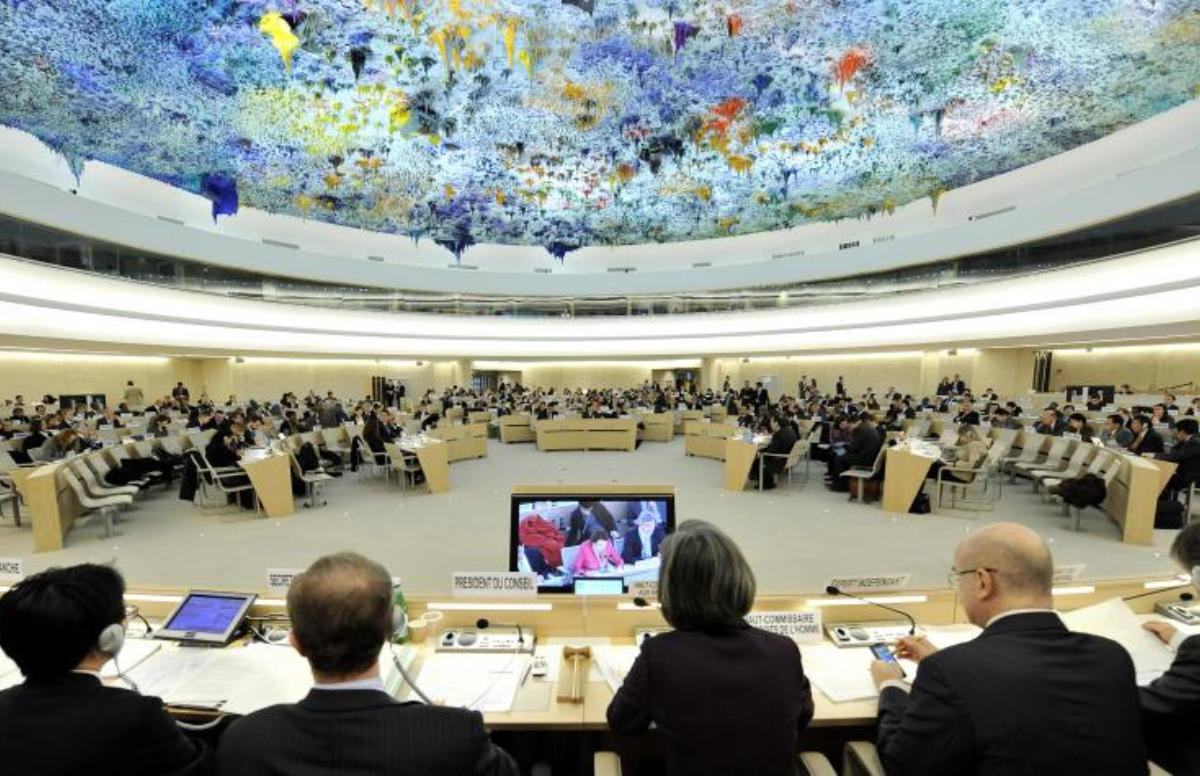
Momentum continues to build toward what could become the first legally binding international treaty dedicated to protecting the rights of older persons. Following the inaugural meeting of the United Nations Intergovernmental Working Group on the Rights of Older Persons in Geneva, the Global Ageing Network convened members and partners from around the world to examine what was accomplished, what comes next, and how organizations across the ageing sector can help shape the convention.
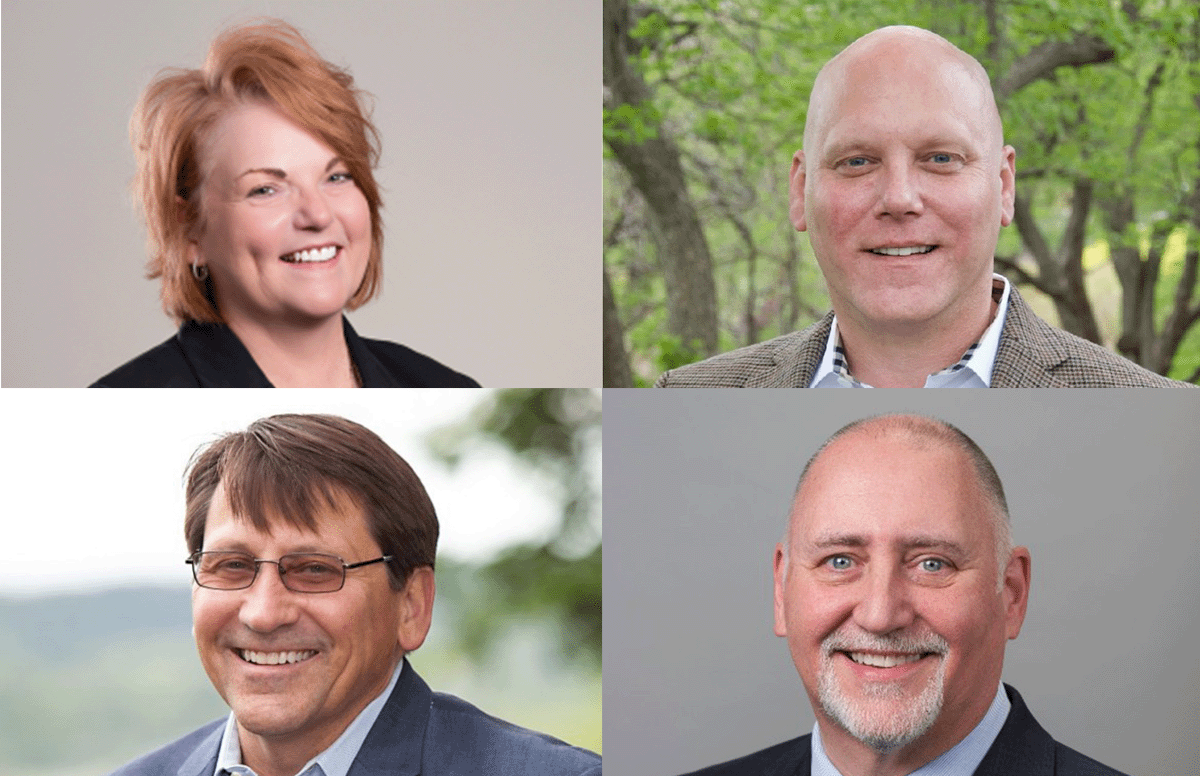
Moderated by Marcus Riley, Chairman of BallyCara and a Global Ageing Network board member, the webinar featured leaders from the NGO Committee on Ageing, Geneva; the Global Alliance for the Rights of Older People (GAROP); the United Nations Department of Economic and Social Affairs (UNDESA); and the NGO Committee on Ageing, New York. Together, these organizations play complementary roles in advancing the convention—from supporting negotiations within the United Nations system and coordinating civil society advocacy to ensuring that providers, advocates, and older persons have meaningful opportunities to help shape the final document.
A Historic Turning Point
During the webinar, Alejandro Bonilla Garcia, Chair of the NGO Committee on Ageing, Geneva, explained that the current drafting process builds on more than two decades of international work on ageing. Efforts that began with the Madrid International Plan of Action on Ageing in 2002 continued through the UN Open-ended Working Group on Ageing, which documented gaps in the protection of older persons’ human rights. Earlier this year, the United Nations General Assembly established the Intergovernmental Working Group to move beyond identifying those gaps and begin drafting a convention to address them.
He described the transition as moving “from reflection to construction,” noting that governments are no longer debating whether a convention is needed. Instead, they are beginning the work of determining what it should include. Discussions in Geneva reflected growing consensus around principles such as dignity, equality, participation, and non-discrimination, as well as a shared commitment to build on the existing international human rights framework.
A Shared Effort
The Global Alliance for the Rights of Older People is coordinating civil society engagement and helping organizations develop shared recommendations for the convention. Ellen Graham, GAROP’s Secretariat Coordinator, emphasizing “the role of civil society has shifted from advocating for a convention to helping shape its content,” she said, emphasizing that coordinated advocacy will strengthen the sector’s influence. She also noted that ensuring broad global participation remains a priority, particularly by addressing barriers that have limited participation from some regions, including parts of Africa.
The Global Ageing Network will continue engaging its members throughout the drafting process, ensuring providers’ perspectives and the experiences of older persons inform the convention as consultations continue.
Why It Matters
Amal Abou Rafeh, Chief of the Programme on Ageing Unit at UNDESA, said the convention represents an opportunity to fundamentally change how governments view ageing.
Rather than treating older persons as “beneficiaries of charity,” she urged governments to recognize them as “holders of enforceable rights.” Healthcare, housing, long-term care, and social protection, she explained, are the means through which those rights are realized, they are not substitutes for them.