Ageing Commons 2026: Intersecting Research and Practice
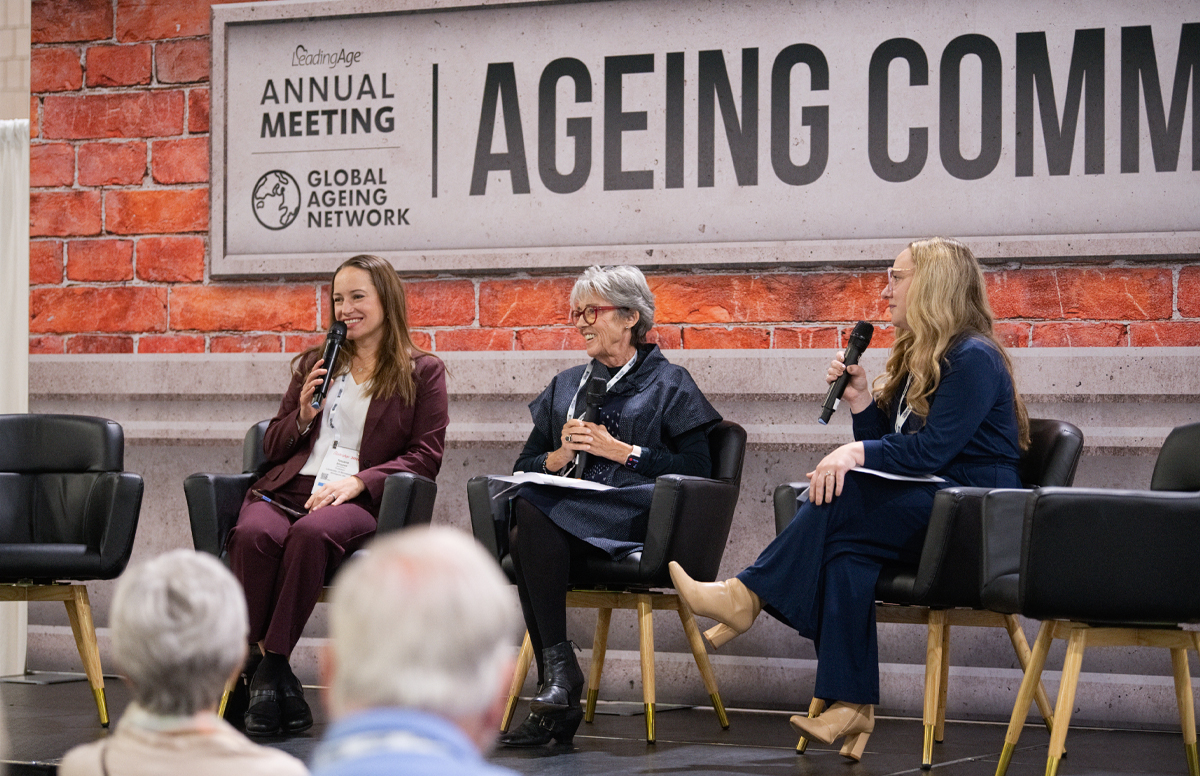
The Ageing Commons provided a welcoming space to share our research and connect with people who approach ageing from different perspectives. Sharing findings is an important first step, but discussing what those findings mean for policy and everyday practice is where these exchanges become particularly valuable.
Ageing Commons featured research from four key themes.
Long-Term Care Quality and Policy
Researchers from the University of Minnesota School of Public Health presented two studies on how care systems measure quality and make decisions. One study looked at more than 1,200 assisted living facilities in Minnesota. A second study, conducted with Miami University in Ohio, examined how nursing home placement decisions are made for people with serious mental illness.
A LTSS Center project shared research showing that discrimination in health care is harmful to older adults and costly, adding billions of dollars in Medicare spending over the past decade.
Health Equity and Innovation in Care
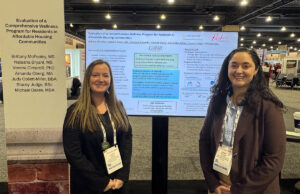
Presenters in this theme explored new ways to help older adults live healthier, safer lives. Springpoint, Parker, and the LTSS Center evaluated LivWell, a wellness program for residents of affordable housing communities.
A companion study from the LTSS Center listened to older adults describe their experiences of discrimination in health care and how it shaped their trust in providers.
2Life Communities and the Falzarano Family Caregiving Lab shared early results from SeniorShield.AI, a tool that helps older adults recognize and respond to scams.
Ageing Services Workforce
Workforce continued to be a leading topic at Annual Meeting, including the Ageing Commons stage. The Ukrainian American Community Center in Minneapolis presented a community-based model that helps Ukrainian newcomers build careers in long-term care through language support, training, and connections with employers.
From Spain, researchers at the Universitat de les Illes Balears shared an evidence-based training program designed to reduce ageism among care professionals in residential settings.
The LTSS Center also shared findings from California’s Gateway-In Project, which examined the impact of wraparound supports, such as help with transportation, food and housing costs, for nursing assistants and home health aide trainees.
Dementia and Mental Health

Researchers from the University of Iowa College of Nursing presented results from a U.S. study of PainChek, an AI-enabled tool that helps staff recognize pain in nursing home residents living with dementia.
George Mason University and Encore Creativity for Older Adults shared Melody Makers, a group singing program for people experiencing cognitive change. UMass Boston and the U.S. Department of Veterans Affairs presented an approach to reducing depression among veterans living in nursing homes, with promising results for both residents and staff.
Access the Research
Explore the findings and learn more about the projects in the 2026 Research Forum e-book. The Ageing Commons was sponsored by Fountain Digital.
Interested in presenting at a future Global Ageing Network event? Contact us or learn more about membership.
Recently Added

November 16, 2026
Claudia Mahler: An Advocate for the Rights of Older Adults
October 20, 2026