Nursing Home Without Walls Is Reimagining Ageing: How Are We Adding Life to Years?
Across Atlantic Canada, communities are confronting a defining challenge: how do we support seniors to age with dignity, purpose, and connection while honoring their voices in the decisions that shape their lives?
At Atlantic Baptist Housing, this question is not theoretical. It is foundational to our organizational purpose: Adding Life to Years.
For many years, conversations around ageing services have centered primarily on buildings, beds, and systems. While infrastructure and clinical supports remain critically important, seniors themselves continue to remind us that quality of life is measured by much more than physical care alone. It is measured by belonging, relationships, autonomy, purpose, and the ability to remain connected to the communities they helped build.
This understanding has guided Atlantic Baptist Housing in the development and expansion of our Nursing Home Without Walls (NHWW) programs in New Brunswick. These community-based, ageing-in-place initiatives are reshaping how seniors’ services are designed and delivered by placing seniors directly at the center of planning, engagement, and decision-making.
Our philosophy is simple but intentional: nothing about seniors should be decided without seniors themselves helping shape the conversation.
The NHWW model recognizes that ageing is not solely a health care issue. It is a community issue. Seniors often want the same things all people desire—to remain independent for as long as possible, maintain social connections, continue contributing to their communities, and access support services before a crisis occurs. Too often, traditional systems engage seniors only after isolation, health decline, or caregiver exhaustion have already reached critical levels.
Through NHWW, Atlantic Baptist Housing has worked to intervene earlier and differently.
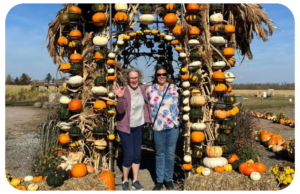
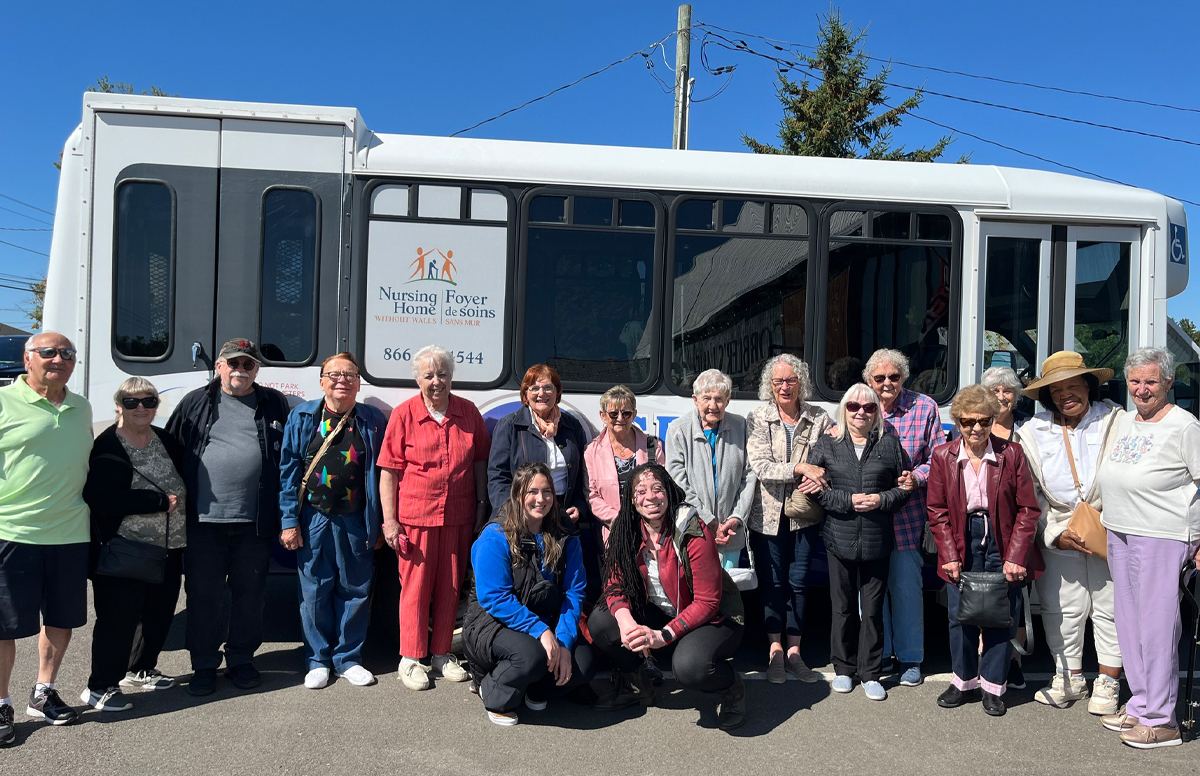
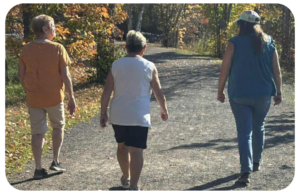
In Moncton and Bathurst, our teams have developed community-centered programs informed directly by seniors, caregivers, volunteers, health care providers, and local partners. Walking groups, wellness programming, transportation supports, grocery runs, caregiver respite services, social gatherings, intergenerational activities, educational sessions, and in-home supports are not simply “services”—they are opportunities for connection and empowerment.
Equally important is how these programs are developed. Seniors participating in NHWW are not passive recipients of care. They are contributors, advisors, and partners. Their lived experiences help identify service gaps, shape program priorities, and influence operational decisions. In many cases, seniors have identified barriers and solutions long before systems formally recognized them.
This collaborative approach is producing meaningful outcomes.
We continue to witness seniors who become more socially engaged, caregivers who experience relief and renewed hope, and communities that better understand the value older adults continue to bring to society. We have also seen how proactive ageing-in-place supports can reduce unnecessary pressure on acute care systems, delay or prevent institutional placement, and strengthen community resilience overall.
Importantly, NHWW is not intended to replace long-term care homes. Rather, it complements the continuum of ageing services by recognizing that supporting seniors earlier and more holistically benefits everyone—seniors, families, health care systems, and communities alike.
As demographic realities continue to evolve across Canada, organizations must be willing to challenge traditional assumptions about ageing and care delivery. The future cannot simply be about building more beds. It must also involve building stronger communities around seniors.
As demographic realities continue to evolve across Canada, organizations must be willing to challenge traditional assumptions about aging and care delivery. The future cannot simply be about building more beds. It must also involve building stronger communities around seniors.
At Atlantic Baptist Housing, we believe purpose-driven ageing services require listening first. Seniors deserve systems that see them not only as individuals requiring support, but as valued citizens with voices, wisdom, and experiences that can guide better outcomes for all generations.
“Adding Life to Years” is more than a slogan for our organization. It is a commitment to ensuring that ageing is accompanied by dignity, inclusion, and meaningful community connection.
The continued evolution of NHWW reminds us that some of the most impactful innovations in ageing are not always found within walls at all—but within relationships, partnerships, and communities willing to listen.

Victor Shea, BSW, MBA, CEC | Chief Executive Officer |
Atlantic Baptist Housing