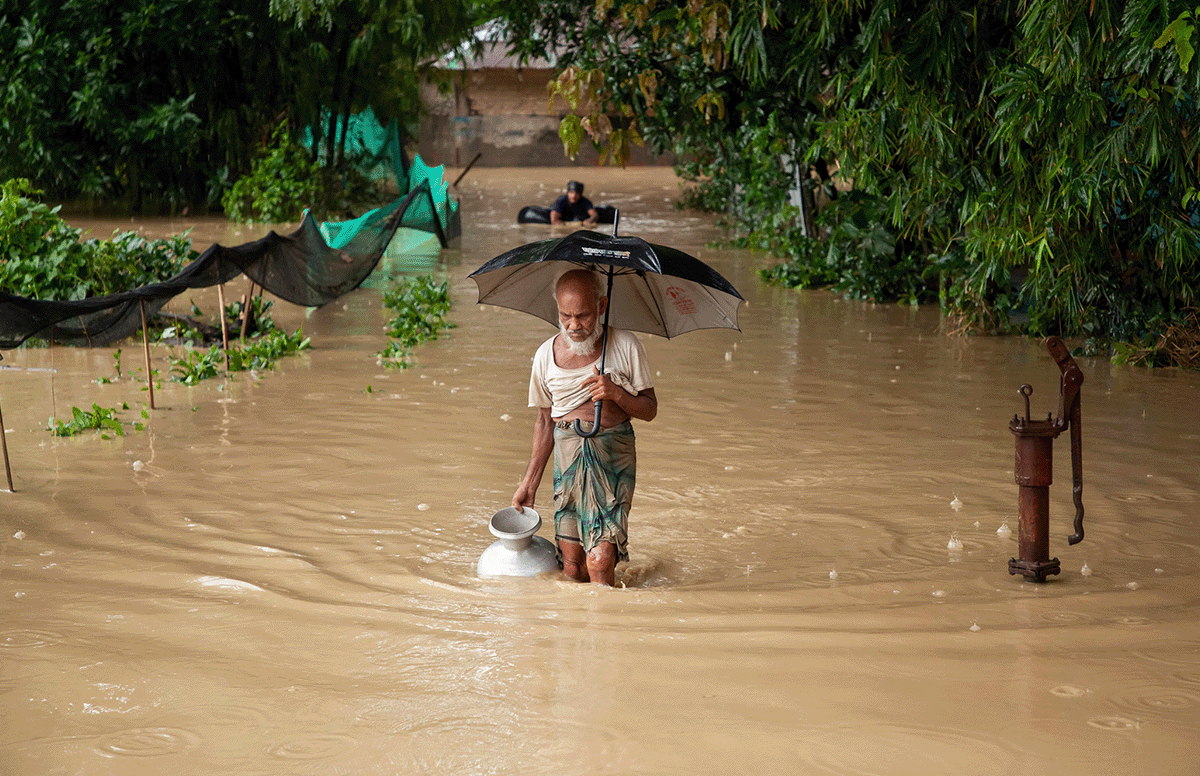
The flooding in Valencia, Spain in 2024 where nearly half of the people who died were over 70 years old; the 2025 wildfires in California; Hurricane Katrina; even the recent European heat wave which posted record-breaking temperatures. These and other climate events across the globe have had devastating effects on entire populations, but the consequences for older adults were particularly deadly and often not taken into account until it was too late.
During a 2 June webinar that built on the Global Ageing Network’s Ageing Commons research symposium, co-hosted by the Global Observatory of Long-Term Care (GOLTC),experts from ageing organizations across the world including Austria, Bangladesh, the United States, and the UK, spoke about the profound challenges facing not only the older population, but their caregivers and providers, when it comes to safety during climate-related emergencies. GOLTC is an organization focused on identifying common challenges relative to long-term care in various countries, sharing research, and supporting collaborative ventures.
The discussion launched with a look back at another global emergency, the COVID-19 pandemic, and how lessons learned during that tragic time can help inform climate adaptation strategies in order to ensure that future responses are just, according to Andrea Schmidt, head of Competence Centre Climate & Health, Austrian National Public Health Institute.
“There was a disproportionate number of people with care needs who died at the beginning of COVID-19, as 50% of all deaths were among care home residents,” said Schmidt. “Age and underlying conditions didn’t explain the magnitude—other factors included difficulty with physical distancing, late or insufficient access to testing and PPE (personal protective equipment), and late access to vaccinations for people in care homes.”
Structural challenges that had impact, according to Schmidt, included low political priority of long-term care homes, fragmented systems, underrecognition of care staff, and underinvestment in communications for care settings.
Examining climate events in their various forms—extreme temperatures, wildfires, droughts, flooding, the decrease of air quality, and the increase of climate-sensitive infectious diseases—Schmidt said that vulnerabilities due to exposure, sensitivity (including frailty and dementia), and adaptivity lead to further risk.
To mitigate risk, Schmidt said care services must be resilient in crisis. “There is a need to strengthen home and community-based care, address central issues of workforce training as well as information systems to support real-time risk assessment, and prioritize.”
Climate Challenges in Bangladesh
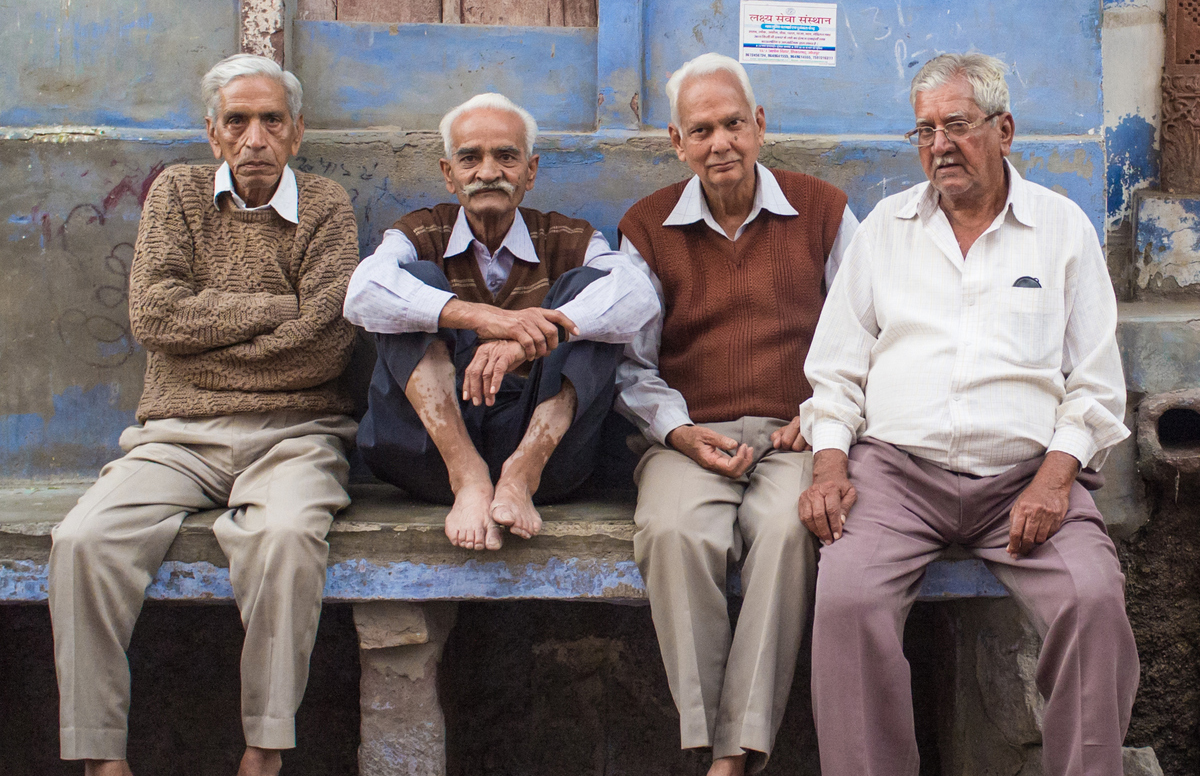
Dr. Imran Chowdhury, chief operating officer (COO) for AYAT Education in Bangladesh, highlighted his country’s susceptibility to the effects of climate change. “By 2050, it is projected that Bangladesh will have 25 million people aged 60 and older,” he said. “We have no comprehensive long-term care system; 80-90% of care is provided by families and women provide the most unpaid care.”
In Bangladesh, climate risks include cyclones, flooding, rising sea levels and heat stress. Chowdhury shared examples of how climate disrupts care: for instance, during an extreme heat wave, an older woman will stay in her home, without a cooling unit, and drink less water to avoid having to walk outside to use the toilet. Family members may also find it difficult to come to her due to the heat conditions.
“There is an urgent need to build climate resilient care into the infrastructure; in long-term care facilities it’s about more than disaster response, it’s about protecting dignity, ensuring continuity of care, and support for family caregivers,” Chowdhury noted.
The Impact of Climate Events in the United States
Dr. Robyn Stone, who recently retired from her role as co-director of the LeadingAge LTSS Center @ UMass Boston and now serves as a strategic advisor, along with Natasha Bryant, senior director of workforce research and development at LTSS Center, offered a systemic review on climate change and long-term care, focusing on topics including specific vulnerabilities for older adults such as reliance on medical devices, the need for assistance, and if affected by cognitive impairment, difficulty processing critical information during an emergency.
“In the United States, many older adults live in different disaster-prone areas, such as coastal communities or urban heat islands,” said Bryant. “When evacuation occurs, it can be detrimental to their health and wellbeing. Following an evacuation, older adults are more than twice as likely to develop PTSD as younger people.”
As all the panelists emphasized, advance planning regarding climate/disaster care for older adults is essential. “Older adults are treated as an afterthought—the focus is on an emergency response, not education, prevention and follow-up,” said Bryant, also emphasizing the lack of age-friendly shelters, and challenges around social media messaging, which may not reach a subgroup of older adults.