Promising initiatives include economic partnership agreements between Japan and other countries, including the Philippines and Vietnam, with structured language training and a pathway to licensure. Germany provides federal guidance for recruiting nursing and care professionals from abroad, including accelerating credential recognition. Canada has pilot programs to bring in home care workers and create a smoother path to residency.
And there are government-led initiatives in Israel, Austria, New Zealand and other countries, some on a small scale, others narrowly focused, and some in a pilot phase. Skills for Care in the UK has built a very important ethical international recruitment toolkit (skillsforcare.org.uk) that serves as a framework for considering the essential human dimension of labor mobility.
As people live longer, they are staying healthy longer and working longer. As recently reported in The Economist, the labor force participation rate of those age 65 and older is rising. Nearly 40% of South Koreans and more than 25% of older Japanese remain at work. For many, it is a financial necessity. While not all are working in care jobs, longer working lives increase the pool of available workers for roles in aging services.
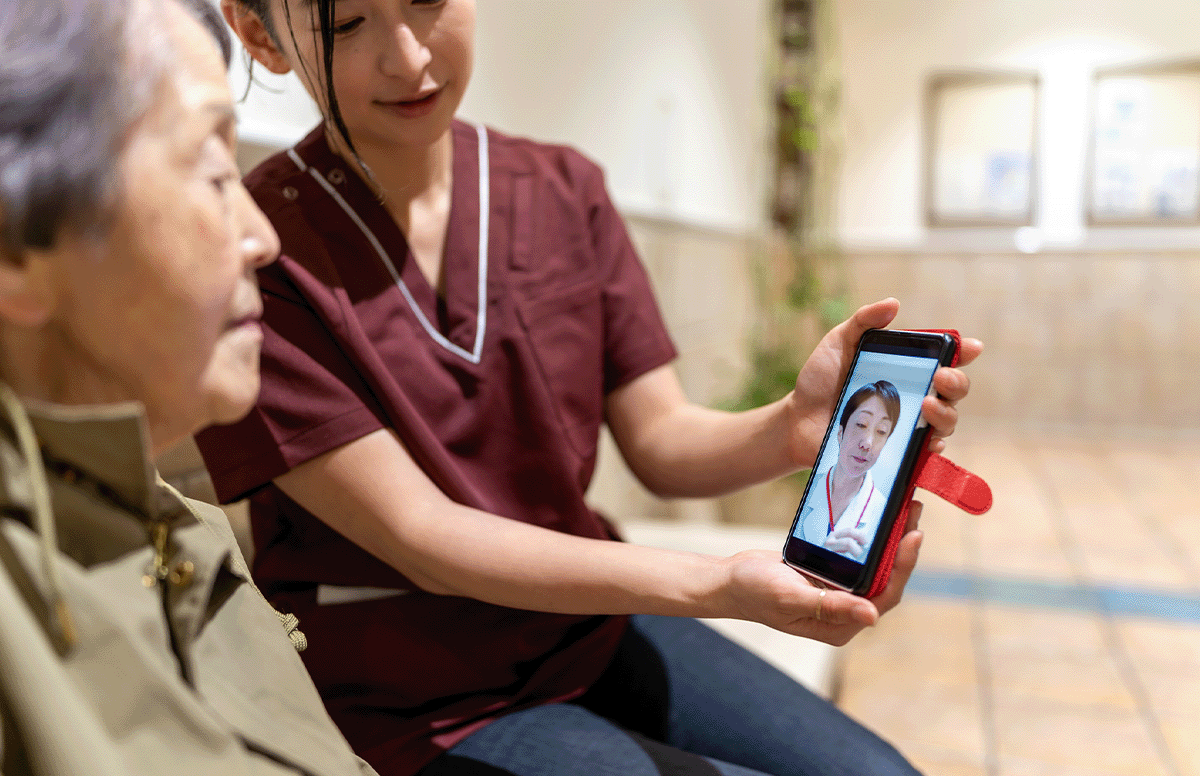
Providers—employers of the care workforce—are rethinking traditional job design to adapt to a gigified economy. Many are successfully integrating technology, creating flexible schedules and establishing meaningful career paths. Others are shaping jobs for nontraditional workers – unemployed youth, older workers, and perhaps even body builders, actors or extreme athletes who don’t work traditional hours but just may be drawn to work in the care sector.
Addressing our workforce challenges is not unique to any one country or region. The Global Ageing Network recognizes this is a serious global challenge that demands awareness, learning and, ultimately, global solutions.