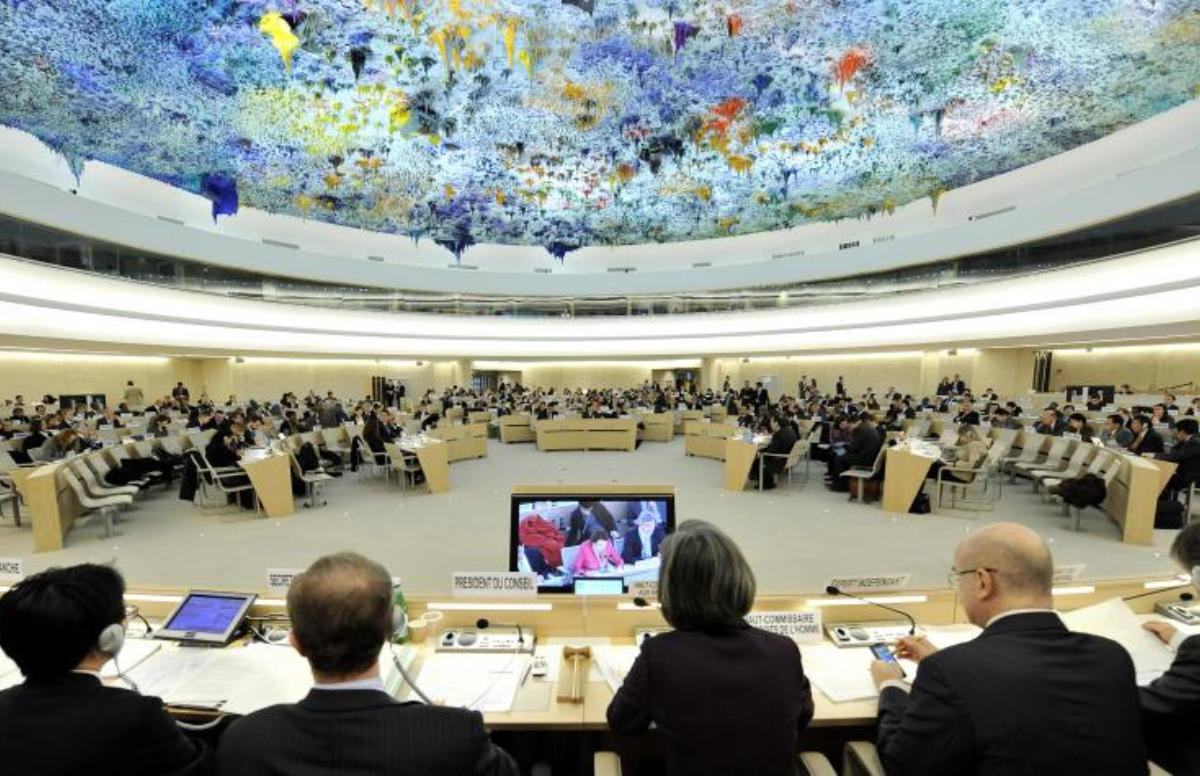
The African Union (AU) Ordinary Session held in Addis Ababa in February 2026 reaffirmed the continent’s growing, though still uneven, attention to the rights and welfare of older persons. While no standalone declaration on ageing was adopted, older persons’ issues were addressed through broader decisions on human rights, social protection, and governance reforms. The outcomes point to both progress and persistent gaps in the protection of older persons across Member States.
A key highlight of the session was the renewed call for Member States to ratify the Protocol to the African Charter on the Rights of Older Persons. Despite its adoption, the Protocol remains one of the least ratified AU human rights instruments. The AU reiterated concern that without sufficient ratification, the Protocol cannot fully enter into force or provide a binding continental framework for the protection of older persons. This continues to slow down harmonised legal protection for ageing populations across Africa.
The session also strengthened emphasis on social protection as a central pillar of Africa’s development and human rights agenda. Discussions underscored the need for Member States to expand social protection floors, improve pension systems, and ensure income security for vulnerable groups, including older persons. This reflects a gradual shift in how ageing is framed at the continental level, from a purely rights-based concern to one integrated into broader social and economic policy systems.
Urgent Need for Stronger National Accountability
Despite this progress, the AU also acknowledged persistent vulnerabilities affecting older persons and other at-risk groups. These include violence, neglect, and weak enforcement of existing legal protections at a national level. Although not always disaggregated, older persons remain within the category of groups most affected by gaps in protection systems, particularly in rural and marginalised communities. The session highlighted the urgent need for stronger national accountability mechanisms to address these challenges.
Another important outcome was the AU’s increased focus on implementation rather than simply the adoption of treaties and protocols. Member States were reminded of their obligations to report on human rights commitments under the African Charter and related instruments. This shift is significant for older persons’ rights, as it opens opportunities to assess whether existing commitments are being translated into real protections on the ground.
A Cautious But Important Shift
However, the AU also expressed concern over the continued low uptake and domestication of key human rights instruments, including those relevant to social protection and ageing. Many Member States have yet to fully integrate continental frameworks into national law, creating a persistent gap between policy commitments and implementation. This remains one of the biggest barriers to advancing the rights of older persons in Africa.
Overall, the 2026 AU Ordinary Session signals a cautious but important shift. While ageing is not yet treated as a standalone priority, it is increasingly embedded within broader discussions on social protection, vulnerability, and human rights accountability. The challenge going forward will be to move from general commitments to concrete national action, particularly in addressing violence, exclusion, and lack of services affecting older persons.
For advocates and organisations working on ageing in Africa, these developments reinforce the importance of continued engagement with AU processes, especially around treaty ratification, implementation monitoring, and integration of older persons’ issues into national development planning.