
Turning Blue Zone Insights Into Practice When the Built Environment Shapes Longevity
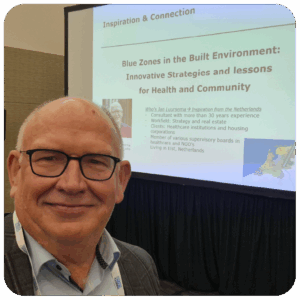
During the LeadingAge Annual Meeting in Boston, I had the opportunity to share a perspective that is both hopeful and challenging: What if the places we design could actively support people in living healthier, happier, and more meaningful lives as they age?
My session, Blue Zones in the Built Environment, explored how insights from the world’s Blue Zones—regions where people live remarkably long and healthy lives—can be translated into concrete strategies for senior living and community development. These lessons are not about adding more programs or technology. They are about shaping environments where healthy choices become the natural, everyday option.
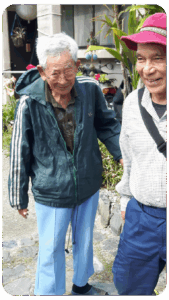
Across Blue Zones such as Sardinia, Okinawa, and Ikaria, people share common patterns: They move naturally throughout the day, remain socially connected, feel a strong sense of purpose, eat in moderation, and stay closely connected to nature. These are not isolated lifestyle choices. They are deeply embedded in the physical and social environment.
That insight is highly relevant for our sector. We face a growing older population, combined with increasing pressure on the care workforce. If we continue to rely primarily on institutional care models, we will struggle to keep systems sustainable. The built environment, however, offers a powerful and often underused lever for change.
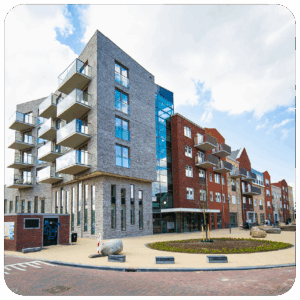
In Boston, I presented Dutch case studies that show how Blue Zone principles can be embedded into real projects. These include walkable neighborhoods that invite daily movement, shared spaces that foster spontaneous encounters, intergenerational living models, and green, nature-integrated settings that support both physical and mental well-being. In these projects, housing, care, social life, and meaning are intentionally connected.
One key message resonated strongly with participants: Buildings alone do not create healthy communities. A shared vision does. Translating Blue Zone insights into practice requires collaboration among housing providers, care organizations, municipalities, and community partners. It also requires the courage to move beyond traditional care paradigms and invest in environments that support living well, not just receiving care.
This is where the challenge lies—and where opportunity begins.
I invite leaders, developers, policymakers, and providers within the Global Ageing Network community to reflect on a simple question: Does your current environment make healthy, connected living easy or difficult? If the answer is unclear, that is the starting point for change.
If you are exploring new projects, repositioning existing communities, or seeking inspiration to align vision, design, and mission, I am happy to contribute. Through dialogue, case exploration, or collaborative workshops, we can turn Blue Zone principles into practical, future-oriented solutions.
The next step is yours. Let’s design places where people don’t just age, but continue to live fully. For those who want to move beyond inspiration and see these principles in action, I warmly invite you to visit the Netherlands — to walk through these communities together, experience the projects firsthand, and explore how Blue Zone thinking can be translated into your own context.

Jan Luursema
Recently Added

August 24, 2026
Creating Care Models to Better Serve Canada’s Older Adults
August 13, 2026